Türkçe
 English
Anyone looking for bread with a higher protein content, or a bakery that wants to develop a product, meets two paths: buy a ready-made protein bread, or make bread from a high-protein bakery mix. Both address the same need, but they suit different people and different jobs. This guide places the two side by side without asking you to prefer one over the other.
What do the two options mean?
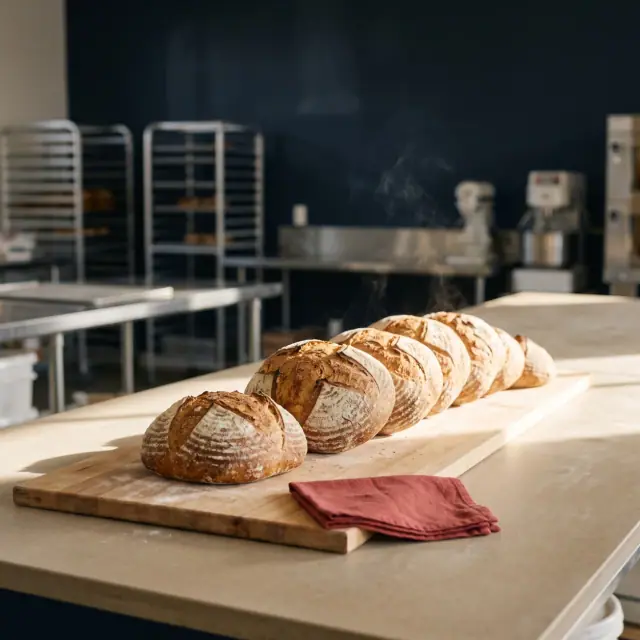
Ready-made protein bread is a baked, packaged product, or one that comes straight from the oven, and it is eaten as it is. Someone else wrote the recipe and made the product; the buyer only chooses and purchases.
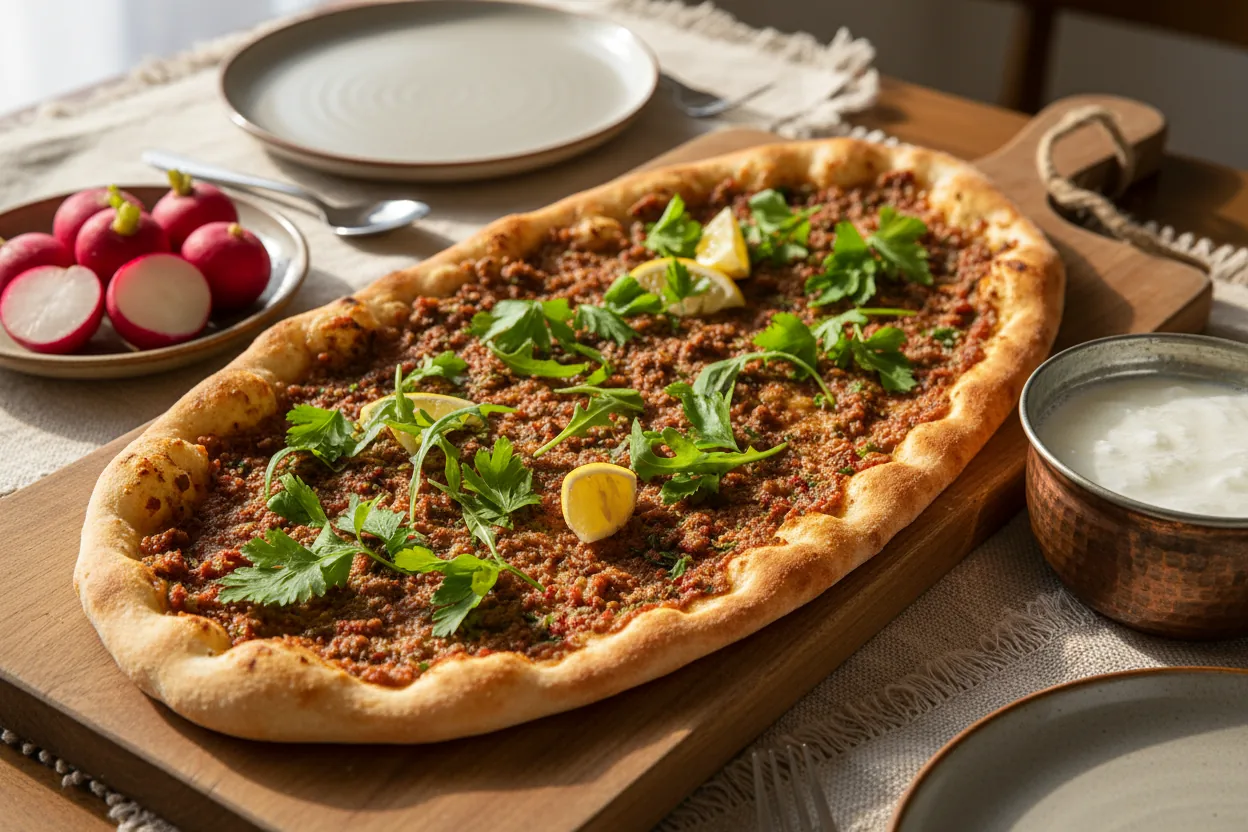
A high-protein bakery mix is the stage before dough: a ready blend of flour and other ingredients. A bakery or food producer works the mix according to its own recipe, shape and production line, and bakes the bread, pastry or pizza dough itself. For how a mix differs from neighbouring terms such as premix and bread improver, see the glossary.
Side-by-side comparison
| Criterion | Ready-made protein bread | High-protein bakery mix |
|---|---|---|
| Who uses it? | Consumers directly, and businesses such as cafés and restaurants that buy ready products | Those who make their own products: bakeries, food producers, restaurants and cafés |
| When is it eaten? | Ready the moment it is bought | It must first be turned into dough and baked |
| Recipe and shape flexibility | Fixed: the product is as it was made | Different products such as bread, pastry, pizza and flatbread can be made on the same mix base |
| Production effort | None on the buyer's side | Dough, fermentation and baking are done on the buyer's side |
| Freshness | Depends on the path between producer and point of sale | A bakery can bake fresh on its own schedule |
| Label and ingredient control | The producer's label applies | The label of the final product follows what the producer adds to the mix |
| Scale | Bought from a single loaf to a crate | Usable from a small bakery to an industrial line |
| Technical know-how | Not needed | Dough-handling experience is needed |
The table describes the structural difference between the two approaches; it does not claim that either is better. The right choice depends on who will use it, which product is intended and where it will be made.
How should protein content be read?
For both options, the protein value should be read on the final product. Because the protein of a product made from a mix varies with the preparation conditions, the value on the mix pack and the value of the baked product may not be the same. For ready-made products, check which weight and which preparation the percentage refers to. The glossary gives a short definition of protein content in general.
For the high-protein mixes on this site, the value is stated as follows: Depending on the product, up to 25 grams of protein per 100 grams in the final product. Protein content varies by product type and preparation conditions.
Which one comes to mind when?
- For someone who only wants to eat, a ready product is the practical way; no dough skills or equipment are needed.
- For a bakery, café or producer that wants to build its own menu or product line, a mix makes it possible to make several products from one base.
- For a business thinking about a custom product, project-based work can also be an option. That scope is described on the for bakeries and food producers page.
Questions to ask before deciding
- Who will eat or sell the product, where and how often?
- Is there production capacity and dough-handling experience?
- Is the target one loaf, or several product types?
- For which weight and which preparation is the protein value given?
For details on BÄKKER mixes, see the products page; for terms, the glossary. For purchasing and project talks, the for bakeries and food producers page is the starting point.