For years we have been talking in the food industry about ingredients, nutritional values, production technologies and flavors. But there is a very interesting subject that the scientific community is working on: sonic seasoning, the effect of sound on how we perceive flavor.
What is sonic seasoning?
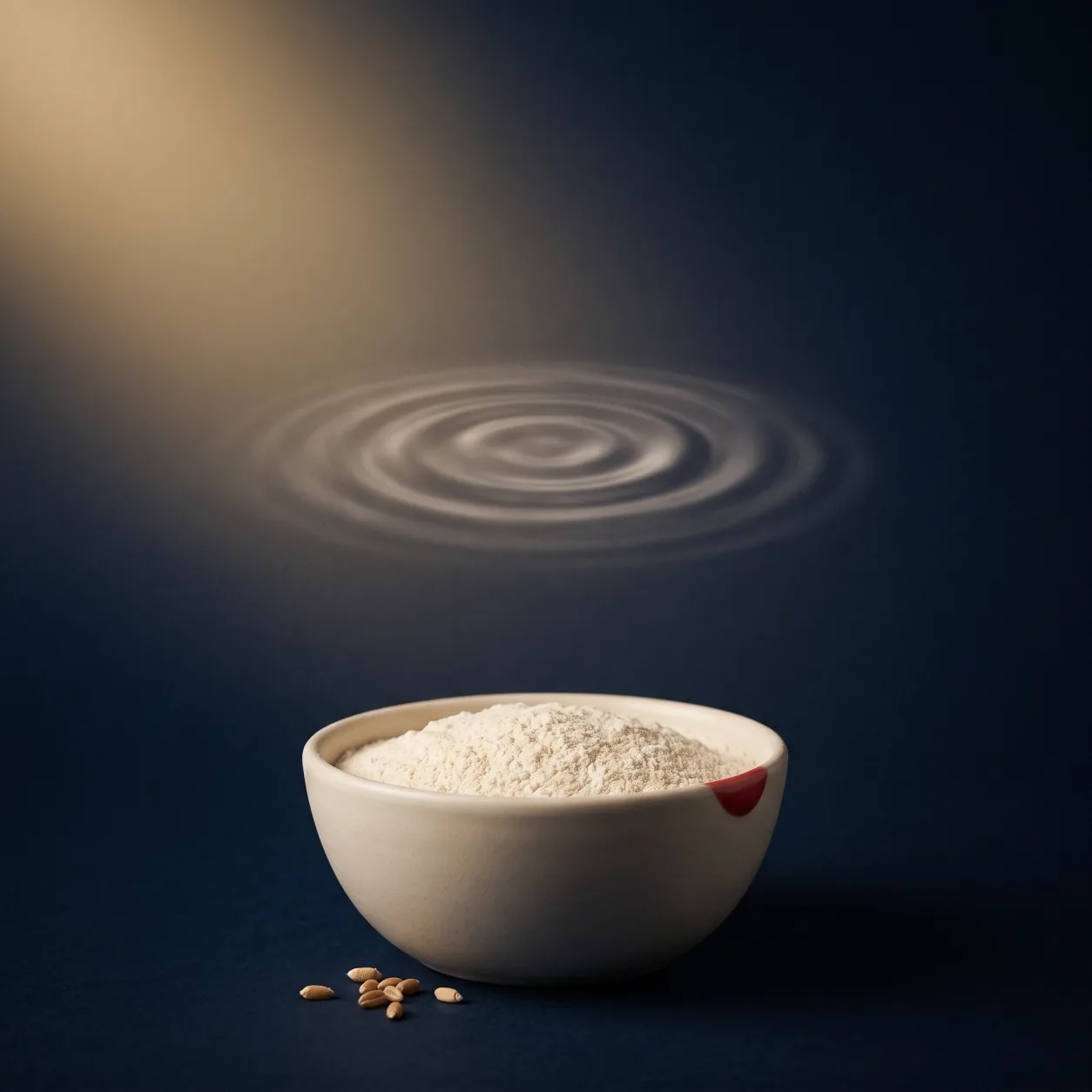
Studies in this area report that certain sounds and music can influence how we perceive properties of food such as sweetness or bitterness. The results mostly rely on assessments made by participants, and they do not appear in the same way in every person. Still, the main idea is clear: the same food can feel different when eaten in a different setting and with a different sound.
This reminds us that flavor is not made only of the tastes our tongue detects. Aroma, texture, temperature, appearance, sound and our expectations come together to build a flavor experience in the brain. In short, flavor is a process that starts in the mouth and is completed in the brain.
What does this have to do with food technology?
A lot, because one of the most important goals of the food industry is to improve nutritional value while keeping the flavor and texture the consumer loves.
Take a high-protein simit as an example. Raising the protein amount matters. But is it enough? The crust structure of the simit, how it feels in the mouth, its softness, its aroma and the chewing experience also play an important part in whether the consumer accepts the product. However strong a product's nutrition table is, if it does not meet expectations at the first bite, there may not be a second.
An experience that starts before the first bite
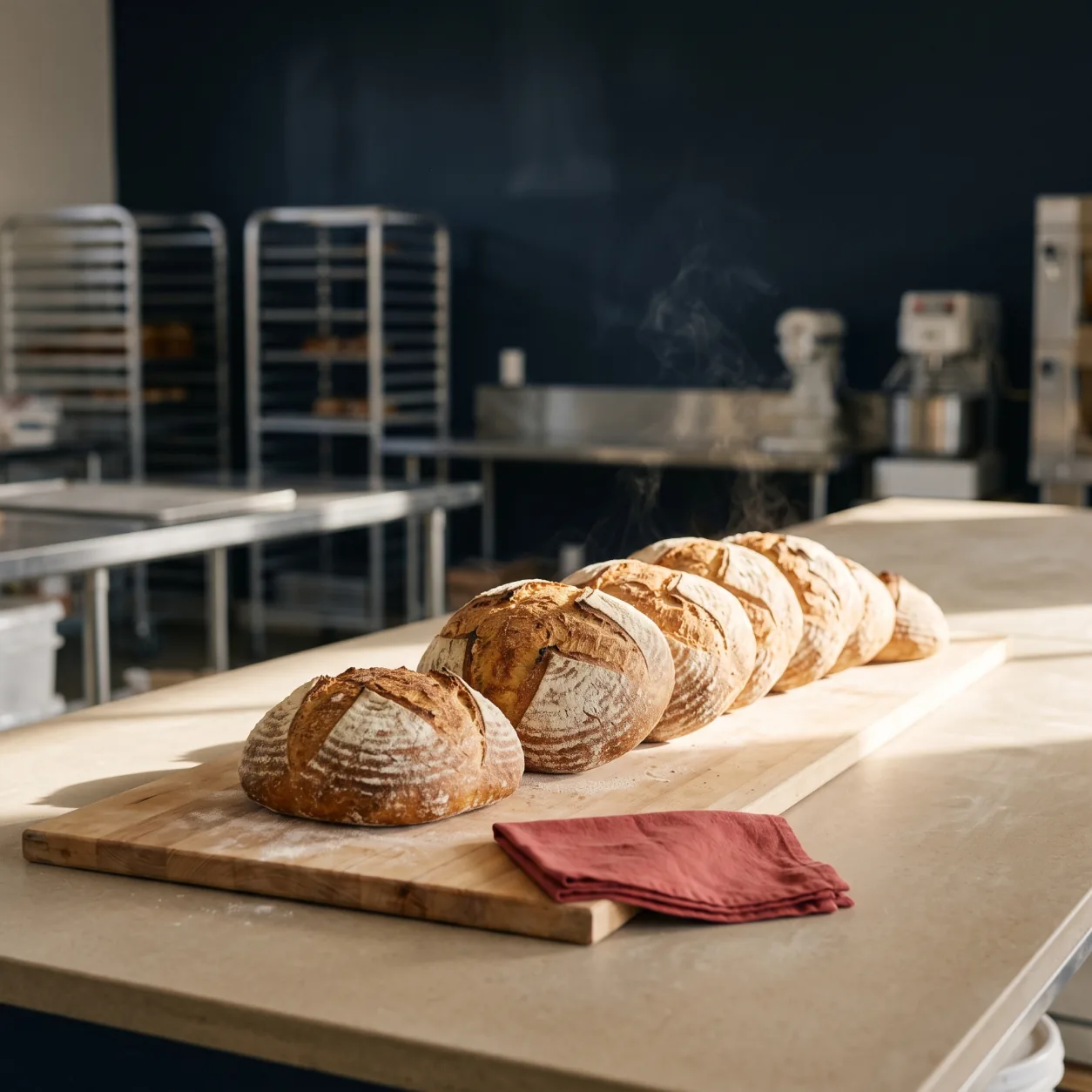
The flavor experience of a loaf of bread or a simit begins before it enters the mouth. The color of the product that just left the oven, the shine of its crust, the rising aroma and the warmth we feel in our hands shape our expectation. Once it is in the mouth, the crunch of the crust, the softness of the crumb and the texture felt while chewing either confirm that expectation or break it.
That is why sensory evaluation is studied as a discipline of its own in the food industry. Appearance, aroma, texture, taste and mouthfeel can each be asked about separately, and tasting trials with real consumers are regarded as one of the most valuable clues about whether a product will be accepted. Research such as sonic seasoning shows that less obvious elements like sound and setting may belong on this list too.
The BÄKKER approach
This understanding is at the core of the approach we work on as BÄKKER. We aimed not only to develop high-protein bakery products but to bring nutritional value together with the traditional flavor experience.
Because however high a product's nutritional value, if consumers do not enjoy eating it, it is hard for it to become part of a sustainable eating habit. It is no different for bakers and food producers: a product that comes back from the shelf or the display case is of no use, even if it has the best formulation.
Lab analysis or experience?
Today science shows us that flavor is not only a matter of formulation. That raises an important question about the future of food technology:
- Will we judge successful food products only by laboratory analysis?
- Or will we care just as much about how people experience them?
I believe the second approach will matter more and more. Laboratory analysis is indispensable; protein amount, amino acid profile and nutritional values must be measured correctly and shared together with their source. But analysis alone is not enough. Sensory evaluation, meaning the look, smell, texture and taste of the product, should be treated with the same seriousness.
What does this tell us?
When developing a functional food, the two goals are not rivals but complements. Nutritional value makes a product meaningful, and flavor keeps it on the table. When either is missing, the value of the other shrinks. That is why a formulation should be judged not only by reading the table but also by tasting, smelling and chewing it.
This view also explains why the sentence "it is no different from the bread I am used to" matters so much for high-protein bakery products. People often prefer adding a new value to a flavor they already know over adopting a whole new habit.
Conclusion
Food should not only be nourishing; it should also offer an experience people can enjoy. The scientific nutritional value of food and the sensory experience of people should meet at the same point and be shaped together. Flavor does not start on the tongue; it starts in the brain, in expectation and in the whole experience.
Related pages: all articles, our protein page, Yüksek Proteinli Sade Unlu Mamuller Miksi No.20.